Postoji trenutak u životu kada čovek shvati da problem više nije dijagnoza.
Problem je poruka.
Poruka koju telo svakodnevno prima:
da je iscrpljeno,
da je ugroženo,
da je preopterećeno,
da više nema izbora.
A telo — bez obzira na bolest — uvek sluša poruke.
Ćelije ne razumeju prognozu.
Ćelije razumeju informaciju.
Informacija je tiha sila koja upravlja životom
Svaki proces u telu počinje informacijom.
Ne supstancom.
Ne energijom.
Već signalom.
Ćelije komuniciraju jezikom koji ne čujemo, ali koji određuje sve:
kada će se nešto popraviti
kada će se nešto zaustaviti
kada će se nešto regenerisati
kada će se nešto ugasiti
DNK nije samo hemijska struktura.
DNK je memorija, program, instrukcija.
Svaki dan, tvoje telo proizvede stotine miliona novih ćelija.
One ne nastaju nasumično.
One su kopija informacije koju dobiju.
I tu dolazimo do ključnog pitanja koje se retko postavlja:
👉 Šta ako problem nije samo u ćelijama — već u poruci koju one dobijaju?
Kada se informacija iskrivi, telo se zbuni
Stres, strah, trauma, toksini, terapije, iscrpljenost —
sve to ne deluje samo fizički.
Sve to menja informaciju.
Telo tada ne prestaje da se bori.
Ali počinje da se bori neusaglašeno, rasuto, bez ritma.
To je trenutak kada medicina često kaže:
„Učinili smo sve što možemo.“
Ali telo i dalje radi.
Samo radi u haosu.
Šta ako postoji način da se telu pomogne da se seti reda?
Ne da se „popravi“.
Ne da se „izleči spolja“.
Već da se podseti kako izgleda ravnoteža.
U svetu se decenijama istražuje ideja da:
informacija može imati terapijski efekat
minimalni signal može pokrenuti unutrašnji odgovor
telo poseduje sopstvenu inteligenciju regulacije
Ovaj pristup ne pokušava da zameni telo.
On pokušava da probudi njegovu sopstvenu organizaciju.
Kao kada detetu ne radiš domaći zadatak umesto njega —
već mu pokažeš kako da razmišlja.
Zašto nada nije psihološka uteha — već biološki faktor
Nada menja disanje.
Menja san.
Menja tonus nervnog sistema.
Menja hormonalni odgovor.
Menja imunitet.
To nisu teorije.
To su reakcije koje se mere.
Kada čovek dobije osećaj da:
nije prepušten slučaju
nije pasivan objekat
ima prostor da učestvuje
telo menja način rada.
👉 Nada nije suprotnost nauci.
Nada je uslov da biologija uopšte ima šansu.
Ovaj pristup ne govori: „Bićeš izlečen“
On govori nešto mnogo iskrenije:
„Tvoje telo još uvek ima glas.
Hajde da ga čujemo.“
Ne obećava ishod.
Ali otvara proces.
Ne tvrdi da ima odgovor za sve.
Ali odbija ideju da nema odgovora ni za šta.
Ako ovo čitaš — nisi ovde slučajno
Možda si umoran.
Možda si ljut.
Možda si izgubio poverenje.
Ali činjenica da još tražiš —
znači da u tebi postoji deo koji nije odustao.
Ovaj pristup je namenjen upravo tom delu.
Ne da ga ubedi.
Već da mu da prostor da deluje.
Poslednja misao (i najvažnija)
Telo se ne menja zato što mu neko kaže „moraš“.
Telo se menja kada dobije uslove, signal i razlog.
Ako postoji i najmanja šansa da informacija može pomoći telu da se stabilizuje, uspori, reorganizuje ili pronađe novi ritam —
onda ta šansa vredi pokušaja.
I ponekad, upravo taj pokušaj
postaje početak nečega što niko nije mogao da predvidi.
Tu počinje drugačiji pogled na oporavak.
Tu počinje pitanje koje menja sve:
Informacija kao novi lek
Ideja da informacija može imati terapijsku vrednost može delovati radikalno drugačije od onoga na šta smo navikli.
Kako nešto tako nematerijalno kao što je informacija može imati bilo kakav uticaj na telo — a kamoli na stanje zdravlja?
Možda zvuči neverovatno.
Možda zvuči nepoznato.
Ali pre nego što to odbacimo, vredi zastati i pogledati najjednostavniji mogući primer:
SAM ŽIVOT.
Svaki čovek počinje kao jedna jedina ćelija.
Ta ćelija se deli, umnožava, organizuje, diferencira — i iz nje nastaju tkiva, organi i na kraju potpuno funkcionalno ljudsko biće.
Ne postoji arhitekta.
Ne postoji spoljašnji planer.
Postoji samo precizna unutrašnja organizacija.
Isceljujuća inteligencija tela
Jeste li se ikada zapitali kako telo zna šta treba da radi?
Kada se posečete, telo pokreće proces zarastanja.
Kada se prehladite, aktiviraju se mehanizmi odbrane.
Kada ste iscrpljeni, telo traži san.
Bez razmišljanja.
Bez svesne odluke.
Telo:
uklanja neispravne ćelije
popravlja oštećene proteine
prilagođava metabolizam
eliminiše toksine
bori se protiv infekcija
stalno pokušava da obnovi ravnotežu
Jedna od najvećih misterija savremene biologije jeste činjenica da smo mi samoorganizujući sistemi.
Kao da telo:
Pitanje je — kako?
Odgovor koji se stalno ponavlja: informacija
Odgovor nije skriven u jednoj supstanci.
Nije ni u jednoj molekuli.
Odgovor je u informaciji.
Informacija određuje:
Drugim rečima, informacija nije samo opis života.
Informacija je ono što život pokreće.
Telo kao mreža komunikacije
U biologiji, a posebno u biofizici i biohemiji, poznato je da ćelije ne funkcionišu izolovano.
One stalno komuniciraju.
Putem:
Ova komunikacija omogućava milionima ćelija da deluju kao jedno — da se usklade, prilagode i opstanu.
Kada je ta komunikacija jasna i usklađena, mi to doživljavamo kao:
energiju
stabilnost
oporavak
unutrašnji mir
Kada se komunikacija poremeti, telo ne prestaje da radi —
ali počinje da radi teže, sporije i pod većim opterećenjem.
Često mnogo pre nego što se pojavi prvi simptom.
Stručna napomena (za one koji žele dublji uvid)
Ćelijska komunikacija predstavlja krovni pojam u biologiji, a naročito u biofizici, biohemiji i biosemiotici, koji obuhvata različite mehanizme razmene informacija između živih ćelija. Ovi mehanizmi uključuju, između ostalog, ćelijsku signalizaciju, bioelektrične procese i druge oblike komunikacije neophodne za koordinisano funkcionisanje sistema.
Zahvaljujući ovim procesima, milioni ćelija mogu da deluju usklađeno i da obavljaju ključne fiziološke funkcije neophodne za opstanak organizma. Kako jednoćelijski, tako i višećelijski organizmi u velikoj meri zavise od pravilno regulisane ćelijske komunikacije.
Ovde počinje drugačiji pogled
Ako je život organizacija,
ako je zdravlje regulacija,
ako je oporavak povratak ravnoteže —
onda je logično postaviti pitanje:
da li je moguće delovati upravo na nivou informacije i komunikacije, tamo gde sve počinje?
Tu započinje priča koja sledi.
Informacija je ključna
Ljudi — i životinje — ne žive odvojeni od sveta oko sebe.
Mi rezoniramo sa ritmom energija koje nas okružuju.
To nije samo metafora.
To važi za sve nivoe života: za sisteme, za ćelije — pa čak i za atome.
Kada su unutrašnji ritmovi tela u skladu sa spoljašnjim ritmovima, organizam funkcioniše kao dobro uštiman instrument:
san se produbljuje, oporavak se ubrzava, energija se stabilizuje, a otpornost raste.
Ali kada se pojavi nesklad — kada telo upadne u režim stalnog “šuma” — počinju poremećaji.
Najpre suptilno.
Zatim funkcionalno.
A onda, ako potraje dovoljno dugo, taj poremećaj može postati teren za bolest — i u krajnjoj liniji za gašenje života.
Zato je u centru ovog pristupa jedna ideja koja sve menja:
informacija je ključna.
“Original” i “kopije”: zašto je DNK više od hemije
Kada osoba ima rak ili neku drugu ozbiljnu bolest, ćelije su oštećene.
I tu postoji činjenica koja istovremeno može da uplaši — ali i da probudi nadu:
svakog dana telo proizvodi oko 500 miliona novih ćelija.
Te nove ćelije nisu slučajne.
One su, u suštini, zrcalna slika — fotokopija postojećeg stanja.
Ako je “original” oštećen, kopije će biti oštećene.
Ako u originalnom dokumentu nedostaje deo informacije, i kopija će nedostajati.
Zato je logika jasna:
ako želimo drugačiji ishod, moramo pomoći telu da “ispravi original”.
A original je — DNK, informacija, kod.
U suprotnom, telo će nastaviti da proizvodi milione i trilione kopija koje nose isti poremećaj.
Neinvazivan pristup: dijagnostika + harmonizacija
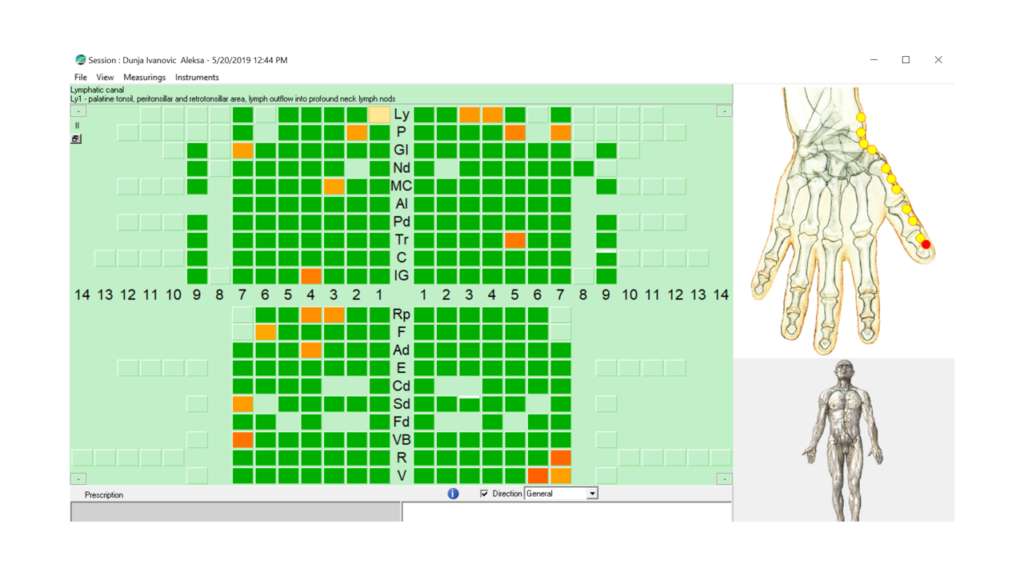
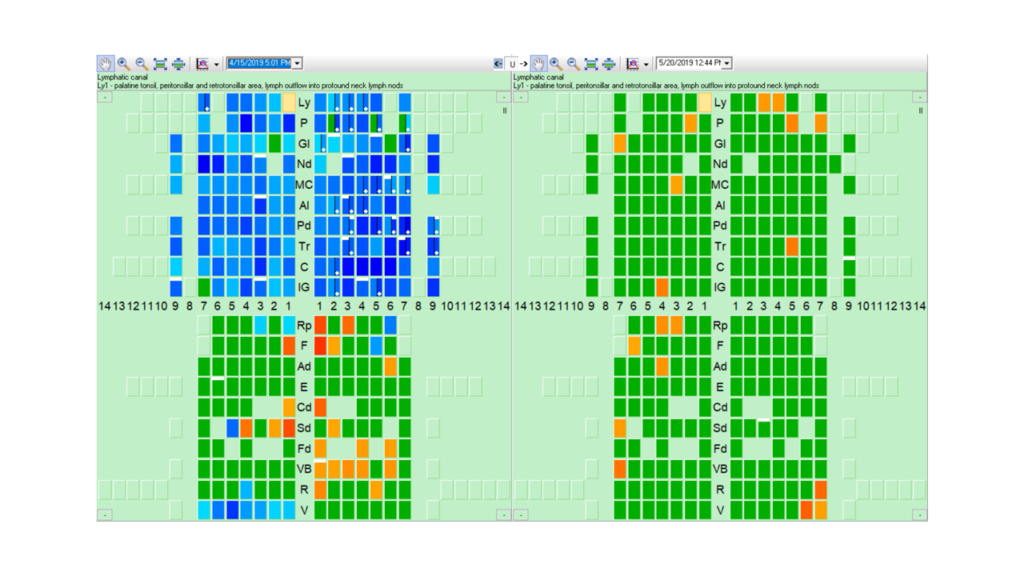
Naš pristup koji ovde opisujemo nudi potpuno neinvazivan pristup kako dijagnostički tako i terapeutuski.
Naša ideja nije da “napadamo” telo, već da:
prepoznamo uzroke ćelijske električne neravnoteže
identifikujemo gde sistem “izlazi iz ritma”
i zatim primenimo balansirajući tretman putem MGI terapije —
sa ciljem da se ćelije vrate u harmoniju.
Kada se vraća harmonija, ne vraća se “samo osećaj”.
Vraća se mogućnost da sistem ponovo radi kao celina — a kada sistem radi kao celina, tada se otvara prostor da se zdravlje obnovi.
Isceljujuća inteligencija: telo zna šta da radi
Jeste li ikada razmišljali o tome kako vaše telo instinktivno zna šta da radi?
Ako se posečete na prstu — ono zarasta.
Ako se nagnječite — ono popravlja.
Ako se prehladite — ono se brani.
Telo je prelepo opremljeno prirodnim mehanizmima samoobnavljanja:
zna kako da ukloni neispravne ćelije, popravi oštećene proteine, uspori starenje, eliminiše toksine, bori se protiv infekcija, izbaci strana tela — i na bezbroj načina pokuša da vas održi živim.
Velika misterija konvencionalne biologije nije da li se telo obnavlja — nego:
kako je moguće da smo mi samoorganizujući sistemi?
Telo ne bira funkcije nasumično.
Izgleda da “zna” šta da radi.
Mnogi istraživači danas govore o nečemu što se može nazvati inherentna inteligencija organizma — kao da postoji informacijski kod koji telu govori kako da raste, kako da se organizuje i kako da se obnavlja.
I upravo na tom mestu nastaje najvažnije pitanje:
Ako telo već ima taj kod — da li je moguće pomoći mu da ga ponovo čuje, ponovo pročita, ponovo aktivira?
Da bismo došli do odgovora, moramo da uradimo ono što medicina ponekad ne stigne da uradi u praksi:
da se vratimo korak unazad i pogledamo šta zapravo znači „kod“ — i da li je on samo hemijski zapis… ili i nešto više od toga.
Jer kada govorimo o DNK, mi često zamišljamo statičnu molekulu.
A postoji i drugačiji pogled, koji DNK posmatra kao aktivni informacioni sistem: kao strukturu koja ne samo da „čuva“ podatke, već na određeni način komunicira, „emitije“ i „prima“ signal.
U okviru tog pravca, razvijen je koncept koji se može sažeti u jednoj slici:
genetski kod nije samo formula — već je nalik tekstu.
DNK kao „tekst“ i organizam kao čitalac
Jedna grupa istraživača je, kroz teorijski i eksperimentalni okvir, predložila ideju da evolucija ne stvara samo gene, već stvara genetske „tekstove“ — složene, kontekstualne obrasce slične jeziku.
U tom pogledu:
hromozomski aparat nije pasivni nosač, već istovremeno izvor i prijemnik tih „tekstova“
organizam ne funkcioniše kao zbir delova, već kao povezana mreža u kojoj informacija ima kontinuitet
genetska informacija se ne svodi samo na materijalni nivo, već može imati i talasne / poljske komponente
Drugim rečima:
DNK se u ovom modelu posmatra kao sistem koji ne samo da „pamti“, već na izvestan način i obrađuje informaciju — kao biološki „biokompjuter“.
To zvuči smelo.
I jeste smelo.
Ali ono što ovde vredi zapamtiti je motiv koji menja perspektivu:
ako je genetika jezik — onda je i oporavak moguć kao promene u načinu čitanja i prenosa informacije.
Holografska mreža: telo kao celina, ne kao delovi
U ovom pravcu se pojavljuje i ideja da višećelijski organizam poseduje vrstu prostorno–vremenske, statičko–dinamičke mreže — holografski princip povezanosti — koja „drži“ celinu organizma kao jedinstven sistem.
To je pokušaj da se objasni ono što svi intuitivno znamo, ali teško merimo:
kako se telo razvije iz jedne ćelije
kako se održava koherentnost između milijardi ćelija
kako se, u oporavku i regeneraciji, organizam ponaša kao celina, a ne kao skup izolovanih reakcija
Ovaj model ide korak dalje i kaže:
možda postoje brzi informacioni kanali koji povezuju ćelije i hromozome u jedinstvenu celinu — nešto poput “unutrašnjeg interneta” organizma.
DNK kao izvor signala: zračenje, polarizacija, pretvaranje u radio-opseg
U okviru eksperimenata sprovedenih u laboratorijskim uslovima*, opisivani su fenomeni koji su u tom modelu interpretirani kao pokazatelj da DNK i hromozomi mogu učestvovati u procesima koji liče na:
emitovanje specifičnog zračenja
promenu (rotaciju) polarizacije fotona
transformaciju laserskih signala u širokopojasni radio-frekventni opseg.
* Detaljniji teorijski i istraživački okviri navedeni su u napomeni na kraju teksta.
Posebno zanimljiv motiv u ovim opisima je ideja da informacija može biti „snimljena“ u polju i zatim „očitana“ kasnije — kao neka vrsta memorije koja nije isključivo hemijska.
Zašto je ovo narativno važno za tvoju publiku?
Zato što uvodi jednostavnu, snažnu rečenicu:
informacija može postojati i prenositi se na više nivoa nego što obično pretpostavljamo.
Biološki efekti: kada signal nije „prazan“
U istom okviru, opisani su biološki efekti talasnih signala generisanih u vezi sa DNK informacijom — pri čemu se naglašava da „prazni“ signali (bez te informacije) nisu davali isti efekat.
Pominjani su primeri promena u rastu i morfogenezi biljaka, kao i motiv „oživljavanja“ semena u ekstremnim uslovima, što je u tom modelu interpretirano kao:
kada signal nosi informaciju — organizam može drugačije da se organizuje.
Ovo je mesto gde priča dobija ogromnu emotivnu težinu:
Jer ako je ta logika makar delimično tačna, onda telo nije zatvoren sistem koji se samo troši —
već sistem koji se može ponovo uskladiti kada dobije pravi stimulus.
Šest nivoa povezanosti: od celog organizma do dubine genoma
U ovom modelu se ideja povezanosti postavlja kroz više nivoa, od:
organizma kao celine (regeneracija i integritet)
ćelijskog nivoa (razvoj iz jedne ćelije)
do dubljih slojeva u kojima se pretpostavlja neka vrsta koherentnosti genoma
Najsmelija tačka tog pogleda je sledeća poruka:
ćelije nisu samo susedi — one su deo jedne trenutne celovitosti.
I kada to čuje osoba koja je umorna od rečenice „nema više rešenja“, u njoj se pokrene nešto važno:
Ne obećanje.
Ne iluzija.
Nego mogućnost.
Zašto ovo uopšte uvodimo u priču
Zato što nekim ljudima u najtežim trenucima treba upravo ova misao:
možda još nije kraj — možda je samo promena nivoa na kome treba delovati.
I tu se vraćamo na početno pitanje, sada još preciznije:
Ako telo već ima kod…
ako organizam već ima inteligenciju samoregulacije…
ako informacija upravlja procesima…
da li je moguće dati telu signal koji mu pomaže da se ponovo organizuje?
Tu počinje naš praktični deo.
Ne kroz obećanja.
Nego kroz iskustvo, protokol i odgovor organizma.
……………………………………………………………………………………………………………………………………………….
Šta u nauci već postoji kao osnova za ovu temu
Ako se vratimo na ono najvažnije pitanje:
Ako telo već ima taj kod — da li je moguće pomoći mu da ga ponovo čuje, ponovo pročita, ponovo aktivira?
Da bismo mu prišli ozbiljno, bez mistike i bez marketinga, moramo da uvedemo jedan okvir koji je već dugo prisutan u nauci, samo je često rasut po različitim disciplinama:
informacija u biologiji nije metafora — ona je princip organizacije.
U tom kontekstu, savremeni istraživački radovi razlikuju tri bliska, ali različita nivoa:
1) Bioinformatika: informacija u živim sistemima
Bioinformatika posmatra biološke sisteme kao sisteme koji imaju informaciono stanje i u kojima se stalno odvijaju informacioni procesi — prijem, kodiranje, skladištenje, dekodiranje i korišćenje informacija.*
Drugim rečima: nije poenta samo šta je ćelija, već kako ćelija prima i obrađuje poruke.
2) Klinička bioinformatika: informacija kroz bolest i oporavak
Klinička bioinformatika ide korak dalje i posmatra šta se dešava sa tim informacionim procesima u toku patogeneze (razvoja poremećaja) i sanogeneze (procesa oporavka).*
Ovo je posebno važno jer mnogi ljudi, naročito u teškim dijagnozama, osećaju nešto što se često ne vidi u jednoj laboratorijskoj vrednosti:
da je telo “izašlo iz ritma”,
da je regulacija skuplja,
da se oporavak više ne vraća sam od sebe.
3) Uticaj informacije kao terapeutske intervencije
Treći nivo uvodi ideju da informacija može biti ne samo opis bioloških procesa, već i intervencija — pod određenim uslovima, informacija može da deluje na fiziološke, biohemijske, biofizičke i patološke procese, kroz mehanizme prijema, kodiranja, memorije i povratne sprege.*
Ovde se pojavljuje jedna razlika koja je ljudima intuitivno jasna:
farmakoterapija uvodi supstancu
fizioterapija uvodi energiju
informoterapijski pristup pokušava da uvede signal — minimalni stimulus koji telo može da “prevede” u sopstveni odgovor
Poenta nije “magija”.
Poenta je: telo već ima resurse (energiju u ATP sistemu, sopstvenu biohemiju, sopstvene medijatore).
Kada dobije informaciju koju može da obradi, ono aktivira unutrašnje mehanizme — i upravo zbog toga takav pristup teži da koristi minimalne doze supstance jer na informacionom nivou nije primaran kvantitet već kvalitet i ne koliko već šta.*
Biološki “jezici”: kako telo govori samo sa sobom
Da bi se razumelo kako informacija uopšte može da ima efekat, uveden je snažan, ali vrlo praktičan koncept:
ćelije govore više jezika.
Postoje dobro poznati “jezici”:
DNK / RNK (nukleotidi kao “slova”, tripleti kao “reči”, geni kao “rečenice”)
proteini (aminokiseline kao “slova”)
biološke membrane (sekundarni medijatori i joni kao “slova” signalizacije)
I tu dolazimo do ključne rečenice:
biološku informaciju ne nose samo materijalni nosači (molekuli), već i energetski nosači (signali).*
Drugim rečima — “zvukovi” života:
akcioni potencijali i spori talasi (u transmembranskom prenosu)
elektromagnetni talasi i mehaničke vibracije (u međučelijskom prenosu)
i složeni obrasci koji se ne prenose kao jedno “slovo”, nego kao “fajl” — paket informacija koji telo tumači u kontekstu*
Ovo je važna tačka, jer prebacuje fokus sa “jedne supstance” na obrazac regulacije.
Bolest kao poremećaj razmene informacija
U ovom okviru, bolest se ne posmatra samo kao metabolička greška, već često i kao:
promena spontane električne i funkcionalne aktivnosti ćelije
promena jonske provodljivosti membrane
inhibicija jonskih pumpi
smanjena ili izgubljena reakcija na signalne molekule ili impulse*
To je trenutak kada sistem više ne “čuje” dobro,
ne “odgovara” dobro,
ne vraća se u ravnotežu.
I zato je logično postaviti pitanje:
ako možemo da prepoznamo da je komunikacija poremećena —
da li postoji način da se komunikacija ponovo organizuje?
Šta nauka realno nudi danas u vezi ove teme
Da završimo precizno i pošteno — ali optimistično:
Ono što je čvrsto utemeljeno
biologija je sistem signala i povratnih sprega
ćelijska komunikacija (hemijska i bioelektrična) je osnova koordinacije
organizam funkcioniše kao mreža, ne kao skup izolovanih delova
regulacija i oporavak zavise od kvaliteta informacije i odgovora
Ono što se intenzivno istražuje
kako tačno ćelije kodiraju “pakete” informacija (a ne samo pojedinačne signale)
kako se formira koherentnost u velikim sistemima
kako minimalni stimuli mogu da promene obrazac odgovora (nervni sistem, endokrini sistem, imuni odgovor, oporavak)
Ono što je za nas ključno u praksi
Mi ne tražimo da neko “veruje” u teoriju.
Mi tražimo da telo pokaže odgovor.
Zato je sledeći korak u našem pristupu uvek isti:
pilot-protokol → merenje pre → intervencija → merenje posle → praćenje promene.
Ako se promena desi — ona je stvarna, bez obzira na to da li je neko naziva biofizikom, neuroregulacijom ili informacijom.
A kada je čovek u situaciji da je čuo “nema više rešenja”, onda je ova logika još važnija:
ako postoji i najmanja šansa da se sistem ponovo organizuje — ta šansa vredi pokušaja.
Izvori i teorijski okviri (za dodatno razumevanje)
Delovi ovog teksta oslanjaju se na teorijske i eksperimentalne radove iz oblasti talasne genetike, bioinformacije i nelokalnih modela biološke regulacije, predstavljene u okviru međunarodnih naučnih skupova i publikacija krajem 20. i početkom 21. veka.
Autori i istraživačke grupe koje se u literaturi često navode u ovom kontekstu uključuju:
DNK–talasni biokompjuter — istraživački radovi i teorijski modeli
(autori: P. P. Gariaev i saradnici)
Radovi predstavljeni na međunarodnim konferencijama o anticipatornim sistemima (CASYS)
Publikacije i eksperimentalni izveštaji iz oblasti bioinformacije, kvantne biologije i holografskih modela genetike
Napomena: Ovi modeli se nalaze van dominantnog toka savremene biomedicine i predstavljaju istraživačke hipoteze i alternativne teorijske okvire. U ovom tekstu oni se koriste kao inspirativni i konceptualni modeli za razumevanje uloge informacije u biološkim procesima, a ne kao klinički dokazani terapijski protokoli.
References (as in the original)
Anichkov S.V. Neuropharmacology. L.: Medicine, 1982. 384 p.
Anokhin P.K. Fundamental questions of the general theory of functional systems // Principles of systemic organization of functions. M.: Nauka, 1973. pp. 5–61.
Anokhin P.K. Key questions of the theory of functional systems. M.: Nauka, 1980. 197 p.
Ashmarin I.P., Borodkin Yu.S., Bundzen P.V. et al. Memory mechanisms. L.: Nauka, 1987. 431 p.
Bertram G. Katzung. Basic and clinical pharmacology. M.: Binom, 1998. Vol. 1. 612 p.
Bogach P.G., Kurskiy M.D., Kucherenko N.E., Rybalchenko V.K. Structure and the function of biological membranes. K.: Vishcha school, 1981. 335 p.
Bogach P.G., Skrypnyuk Z.D., Burdyga F.V. The role of magnesium ions in regulation electrical processes, contraction-relaxation sensitivity of smooth muscles to acetylcholine // Molecular genetic biophysics, 1980. Vol. 5. pp. 51–56.
Vulfius E.A., Kovalenko V.A. Cholinergic receptors. Biophysics. Outcomes of science and technology. M., 1978. 207 p.
Glebov R.N., Kryzhanovsky G.N. Functional biochemistry of synapses. M.: Medicine, 1978. 325 p.
Golikov P.P. Receptor mechanisms of the glucocorticoid effect. M.: Medicine, 1988. 286 p.
Zeimal E.V., Shelkovnikov S.A. Muscarinic cholinergic receptors. L.: Nauka, 1989. 288 p.
Ichas M. Biological code. M.: Mir, 1971. 351 p.
Klevets M.Yu. Electrical power of secretory cells of gastric glands and mechanisms of activation of extrusion and enzymes. Author’s abstract, Doctor of Biol. Sciences. Kiev, 1993. 40 p.
Klimov P.K. Peptides and the digestive system. L.: Nauka, 1983. 273 p.
Komissarov I.V. Elements of the theory of receptors in molecular pharmacology. M.: Medicine, 1969. 215 p.
Kostyuk P.G. Calcium and cellular excitability. M.: Nauka, 1986. 255 p.
Natochin Yu.V. Intracellular signal transmission in the mechanism of antidiuretic action of vasopressin // Intracellular signaling. M.: Nauka, 1988. pp. 113–118.
Nozdrachev A.D. Physiology of the autonomic nervous system. L.: Medicine, 1983. 295 p.
Rosen V.B., Smirnov A.N. Receptors and steroid hormones. M.: Moscow University Publishing House, 1981. 310 p.
Sergeev P.V. Receptors of physiologically active substances. M.: Medicine, 1987. 397 p.
Skok V.I., Shuba M.F. Neuromuscular physiology. K.: Vischa school, 1986. 223 p.
Skrypnyuk Z.D. Transmembrane electrical processes and contraction-relaxation of smooth muscles at various ratios of magnesium and calcium ions in the environment. Author’s abstract, Cand. Biol. Sciences. Kiev, 1976. 20 p.
Skrypnyuk Z.D. Mechanisms of hormonal regulation of electrical and contractile activity of smooth muscles. Diss. Doctor Biol. Sciences. Kiev, 1989. 299 p.
Skrypnyuk Z.D. Informational and negentropic therapy // Informational and negentropic therapy. 1994. No. 1. pp. 4–8.
Skrypnyuk Z.D. Basic concepts of traditional Chinese medicine from the point of view of information therapist // Informational and negentropic therapy. 1994. No. 1. pp. 19–24.
Skrypnyuk Z.D. Some mechanisms of receiving pain signals (pain information) by effector cells // Informational and negentropic therapy. 1995. No. 2. pp. 15–24.
Skrypnyuk Z.D. Problems and tasks of bioinformatics for 10 years. Kiev, 1999 A. pp. 80–83.
Skrypnyuk Z.D. Bioinformatics: subject and department // Informational and negentropic therapy. 1999 B. pp. 82–83.
Skrypnyuk Z.D. “Alphabet”, “letters” and “sounds”, “words” and “speech” of cellular “languages” // Informational and negentropic therapy. 2000. pp. 81–83.
Skrypnyuk Z.D. Phonetics, morphology and syntax of cellular languages // Informational and negentropic therapy. 2001. pp. 135–136.
Skrypnyuk Z.D. Clinical bioinformatics: subject and tasks // Informational and negentropic therapy. 2005.
Sudakov K.V. General theory of functional systems. M.: Medicine, 1984. 224 p.
Sudakov K.V. Information principle in physiology: analysis from the standpoint of the general theory of functional systems // Advances in physiological sciences, 1995. Vol. 26, No. 4. pp. 3–26.
Chailakhyan L.M. What is an subject “BIOINFORMATICS”? // Biophysics, 2005, Vol. 50, No. 1, pp. 152–155.
Bogach P.G., Skrypnyuk Z.D. Role of Mg and Ca ions and their interrelation in regulating the transmembrane electrical processes and contraction-relaxation of smooth muscle // Abstract of 27-th Intern. Congr. of Physiological Sciences. Paris, 1977. p. 84.
Crick F.H. The genetic code, Sci. Am. 1962. 207. pp. 66–74.